High-Risk Homeowners Insurance: What Makes a Home “Too Risky”?
Receiving a notice that your homeowners insurance policy is being dropped or won't be renewed can be stressful. You might wonder what you did wrong or why your home is suddenly considered uninsurable. The reality is that many factors can lead to a "high-risk" label, and it's not always something the homeowner can control. Understanding what makes a property too risky for an insurer is the first step toward finding a solution.
This guide explains the common reasons insurers classify homes as high-risk. We'll explore how they evaluate properties and what you can do to improve your home's insurability. Knowing these details can help you navigate the challenge of securing coverage and protecting your most valuable asset.
How Insurers Define and Evaluate Risk
Insurance companies are in the business of managing risk. Before issuing a policy, they perform a process called underwriting to determine the likelihood that a homeowner will file a claim. They analyze numerous data points about the property, its location, and the owner’s history to predict potential losses. If their analysis suggests a high probability of future claims, the home may be labeled high-risk.
This classification can lead to a few outcomes: you might be offered a policy with higher premiums and deductibles, receive a notice of homeowners insurance non renewal, or be denied coverage altogether. It’s important to remember that underwriting guidelines are not universal. One company might consider your home too risky while another is willing to offer a policy. However, certain factors consistently raise red flags across the industry.
Common Reasons a Home Is Classified as High-Risk
A variety of issues can contribute to a high-risk designation. These reasons range from the property’s location and age to its specific features and condition.
Location-Based Risks
Where your home is located plays a huge role in how insurers see it.
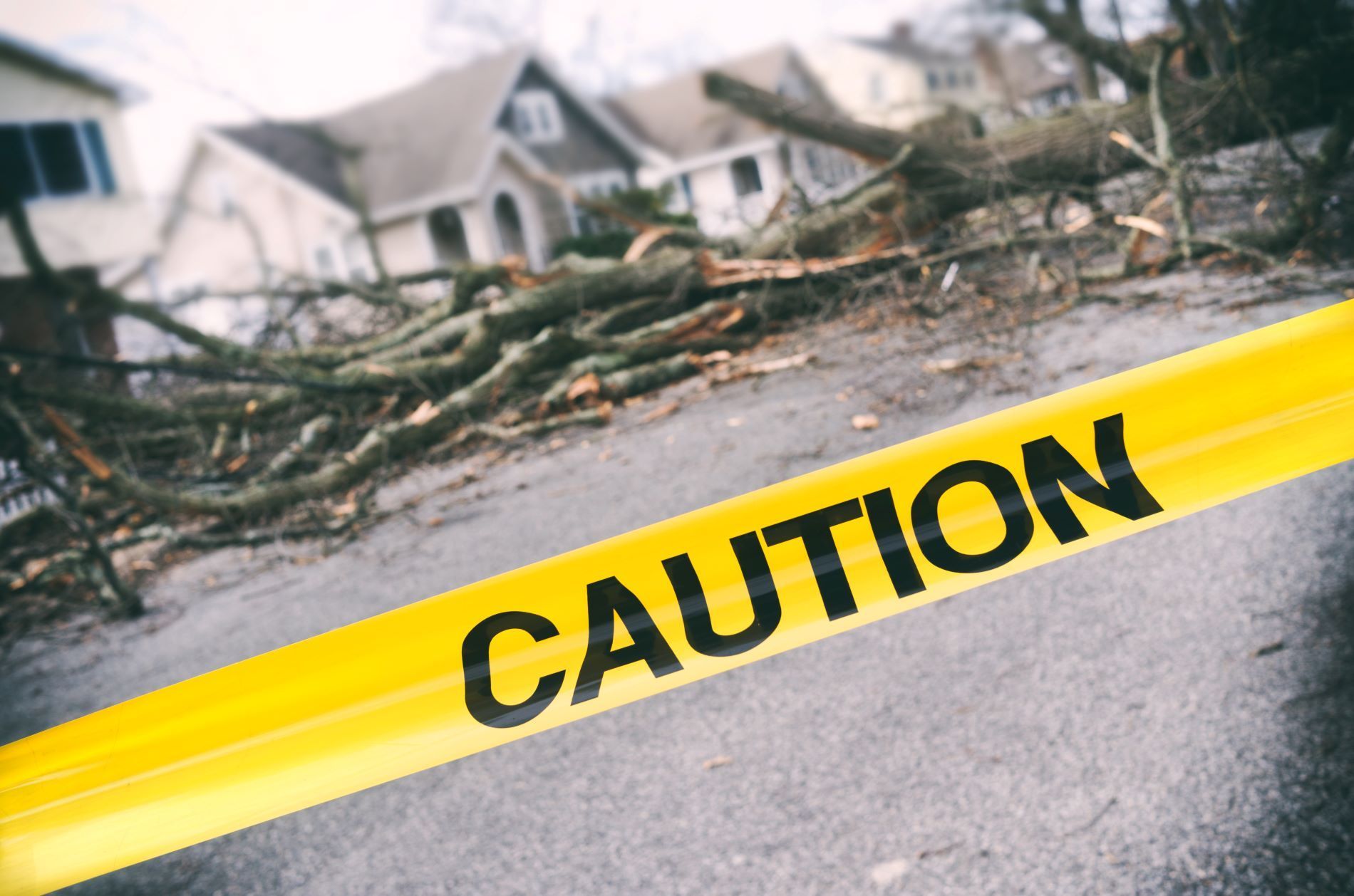
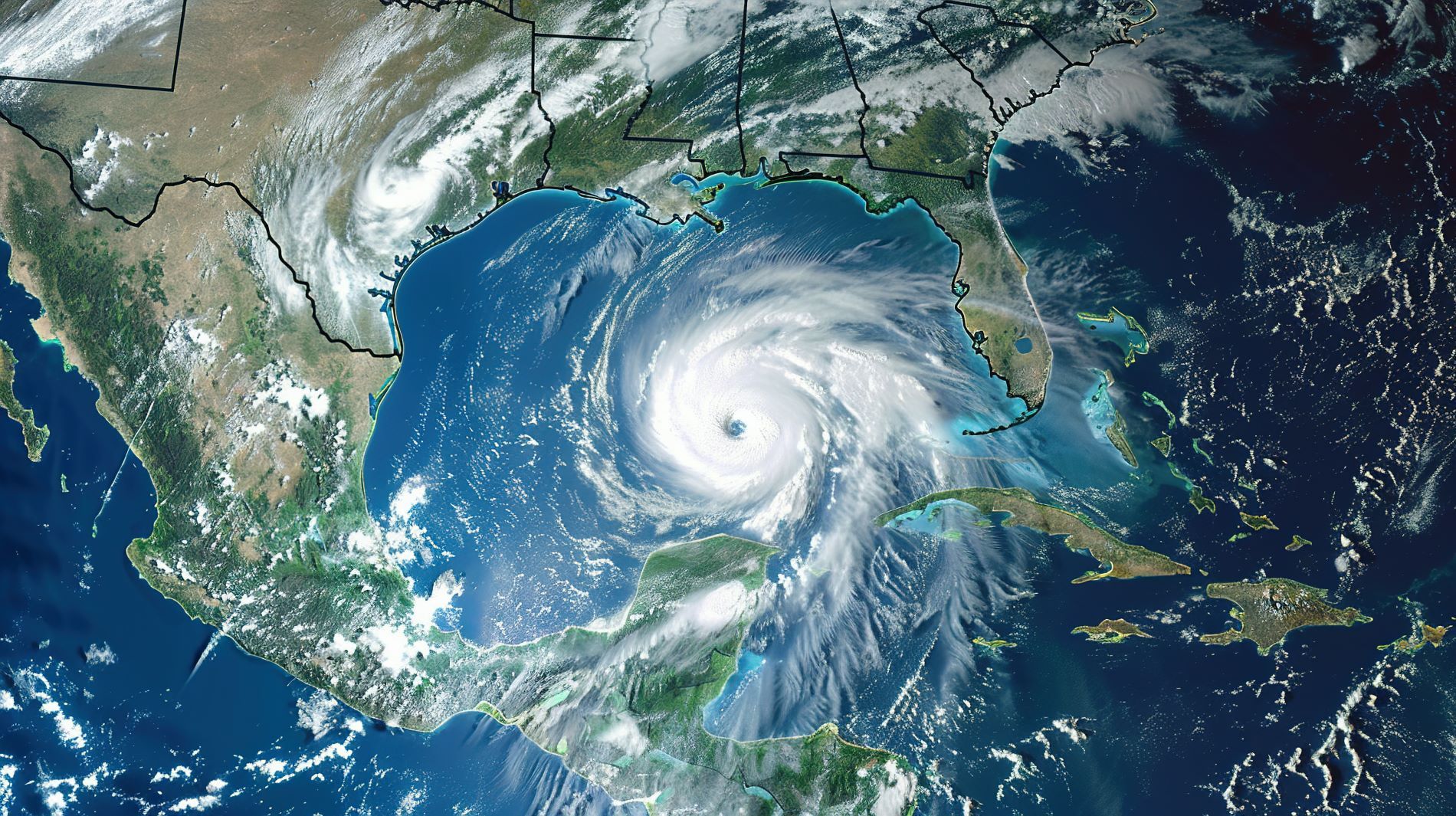
- Natural Disasters: Homes in areas prone to wildfires, hurricanes, coastal flooding, tornadoes, or hailstorms are inherently riskier. As climate change intensifies weather events, insurers are becoming more cautious about offering coverage in these zones. Some of the best high risk home insurance companies specialize in these areas.
- High Crime Rates: Living in a neighborhood with a high rate of theft or vandalism increases the chance of property-related claims, which can affect your risk profile.
Property-Specific Issues
The condition and features of your home are also scrutinized during the underwriting process.
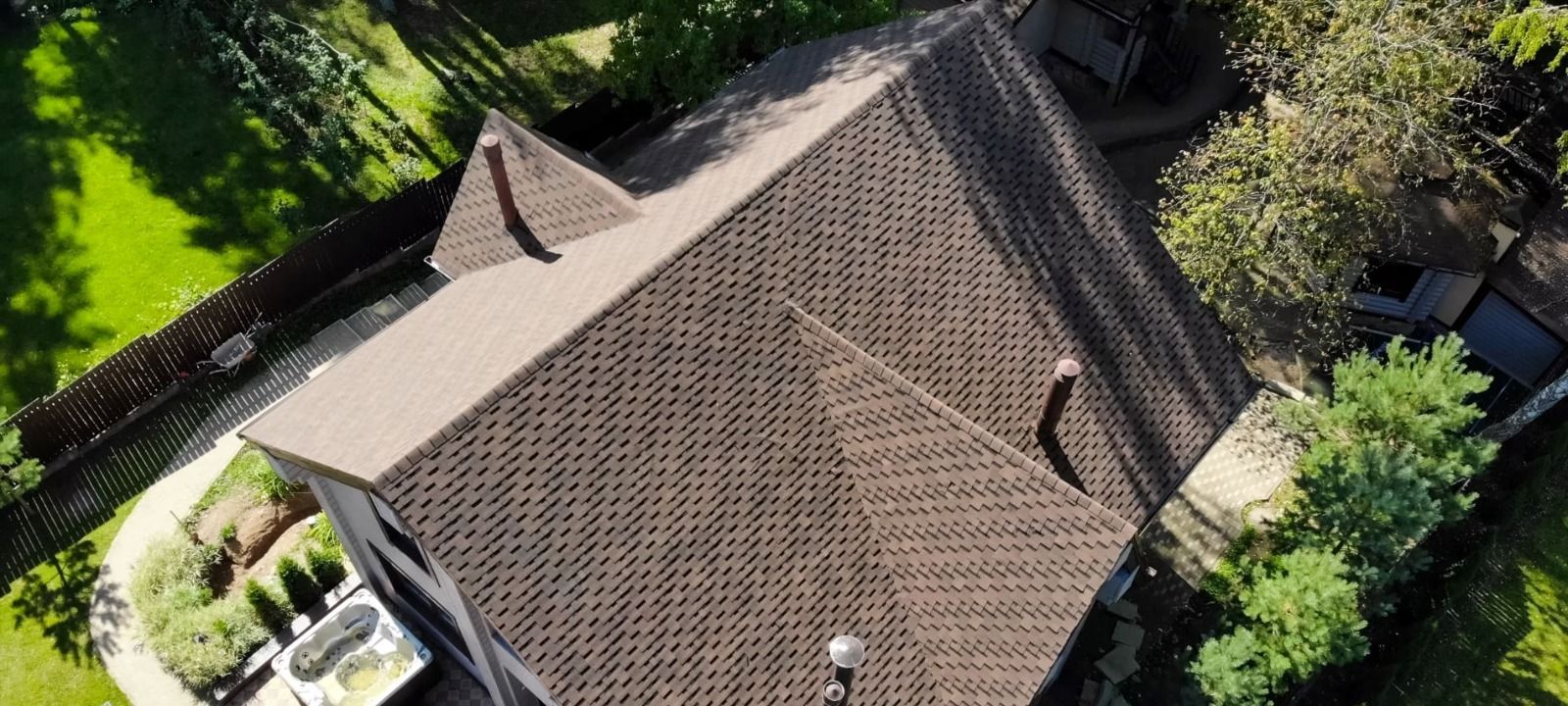
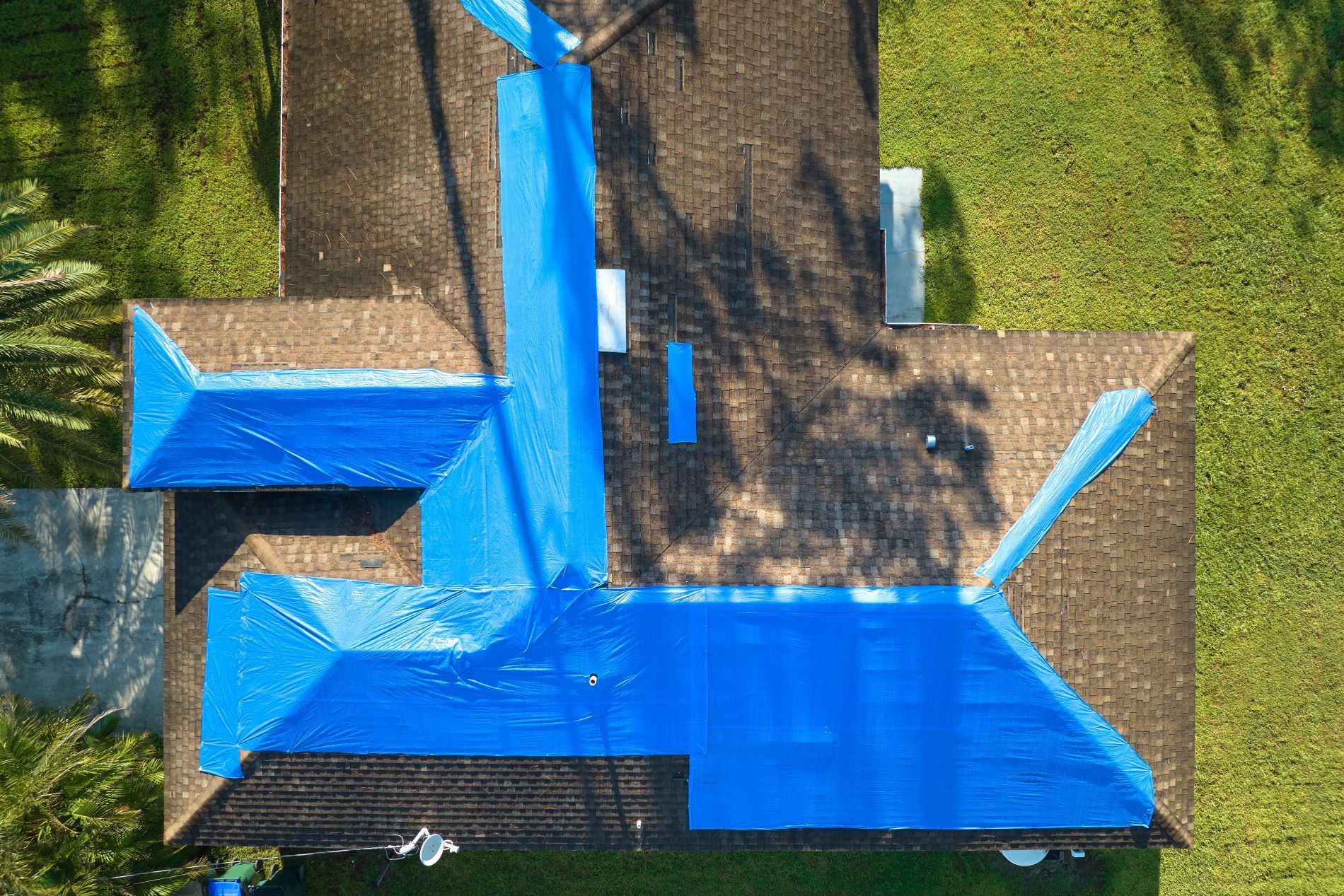
- Aging or Damaged Roof: An old or poorly maintained roof is one of the most common reasons for non-renewal. Insurers see it as a major liability, as it can lead to water damage and other structural problems. Most prefer roofs that are less than 15-20 years old.
- Outdated Systems: Old electrical wiring, such as knob-and-tube, and aging plumbing like galvanized pipes are considered fire and water damage hazards.
- Foundation and Structural Problems: Cracks in the foundation, unstable walls, or other structural dangers present a significant risk that most standard insurers will avoid.
- Mold Infestations: The presence of mold indicates an existing moisture problem and can lead to expensive remediation claims.
Liability Hazards
Certain features on your property can increase the risk of someone getting injured, leading to a liability claim.
- Pools and Trampolines: These are often called "attractive nuisances" because they can attract children and present a high risk of accidents.
- Aggressive Dog Breeds: Some insurance companies maintain a list of dog breeds they consider dangerous, and owning one can make it difficult to find coverage.
Occupancy and Claims History
How you use the property and your past insurance record also matter.
- Claims History: Filing multiple claims in a short period, even for minor issues, can signal to an insurer that you are more likely to file claims in the future.
- Vacancy: A home that is vacant for an extended period is more susceptible to vandalism, theft, and unnoticed damage from leaks or other issues.
- Short-Term Rentals: Using your home as a short-term rental introduces commercial-level risks that are not covered by a standard homeowner's policy.
It's also worth noting that sometimes a home is flagged for reasons entirely outside the owner's control. An insurer might decide to stop writing policies in an entire state due to rising reinsurance costs or an increase in regional catastrophes. In these cases, even homeowners with no claims can face non-renewal.
What to Do If Your Home Is Considered High-Risk
If you’re struggling to find coverage, there are proactive steps you can take. Addressing the issues that insurers find problematic can significantly improve your chances of getting a policy.
Start by requesting a copy of your inspection report to understand why your property was flagged. Then, focus on making necessary improvements.
- Update Key Systems: Replace an old roof, update faulty electrical wiring, or upgrade outdated plumbing. Document all repairs and provide receipts to potential insurers.
- Mitigate Environmental Risks: If you live in a wildfire-prone area, create defensible space by clearing flammable vegetation around your home. For flood-prone areas, improve drainage or install flood vents.
- Address Liability Hazards: Install a secure fence around your pool and consider removing other high-risk items like trampolines.
- Remediate Mold or Structural Issues: Hire professionals to fix any foundation problems or remove mold. Proper documentation of this work is crucial.
Making these updates doesn't guarantee approval, but it shows underwriters that you are a responsible homeowner actively working to reduce risk. This can make a difference when seeking homeowners insurance for high risk customers.
Finding the Right Support
Navigating the world of high risk homeowners insurance can be challenging, but you don’t have to do it alone. If your policy has been non-renewed or you're struggling to find coverage, it may be time to seek specialized help.
Renewal Risk is a guidance resource designed to help homeowners understand their insurance challenges. We don’t sell insurance directly. Instead, we educate homeowners and connect them with licensed high risk property insurance specialists who are experienced in handling difficult placements. These experts can help you explore your options and find a carrier willing to cover your home. Support is available in most US states, excluding CA, RI, HI, and NY.