Why Your Home Renewal Might Be Denied When You Have a High-Risk Property
Receiving a notice that your home insurance will not be renewed can be confusing and stressful, especially if you have never filed a claim. You have paid your premiums on time and taken care of your property, so why would your insurer suddenly decide to drop your coverage? This situation is becoming more common for owners of homes that insurance companies classify as "high-risk."
This article will help you understand what makes a property high-risk in the eyes of an insurer. We will explore the specific factors that can lead to a homeowners insurance non-renewal, explain how the broader insurance market affects these decisions, and outline the steps you can take if you find yourself in this challenging position. Understanding these elements can empower you to better navigate the process and find the coverage you need to protect your home.
What Makes a Home “High-Risk”?
Insurance is fundamentally about managing risk. Insurers evaluate properties based on the likelihood that they will need to pay out a claim in the future. A "high-risk" property is one that has a greater chance of suffering damage or loss due to its location, condition, or other specific characteristics. Even if you have been a loyal customer for years, if an insurer's assessment of your home's risk changes, they may choose not to renew your policy.
Several factors can contribute to a property being labeled high-risk:
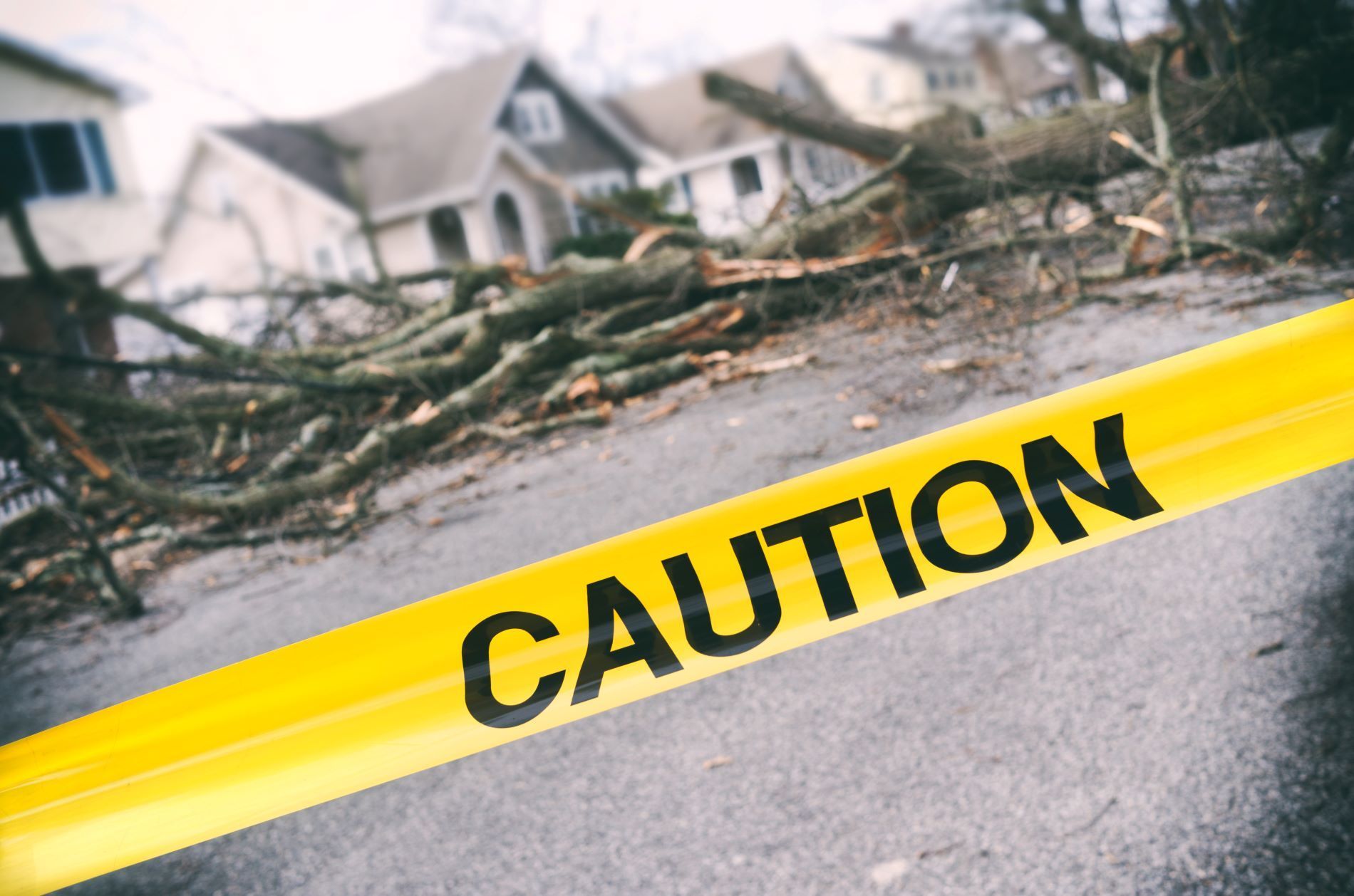
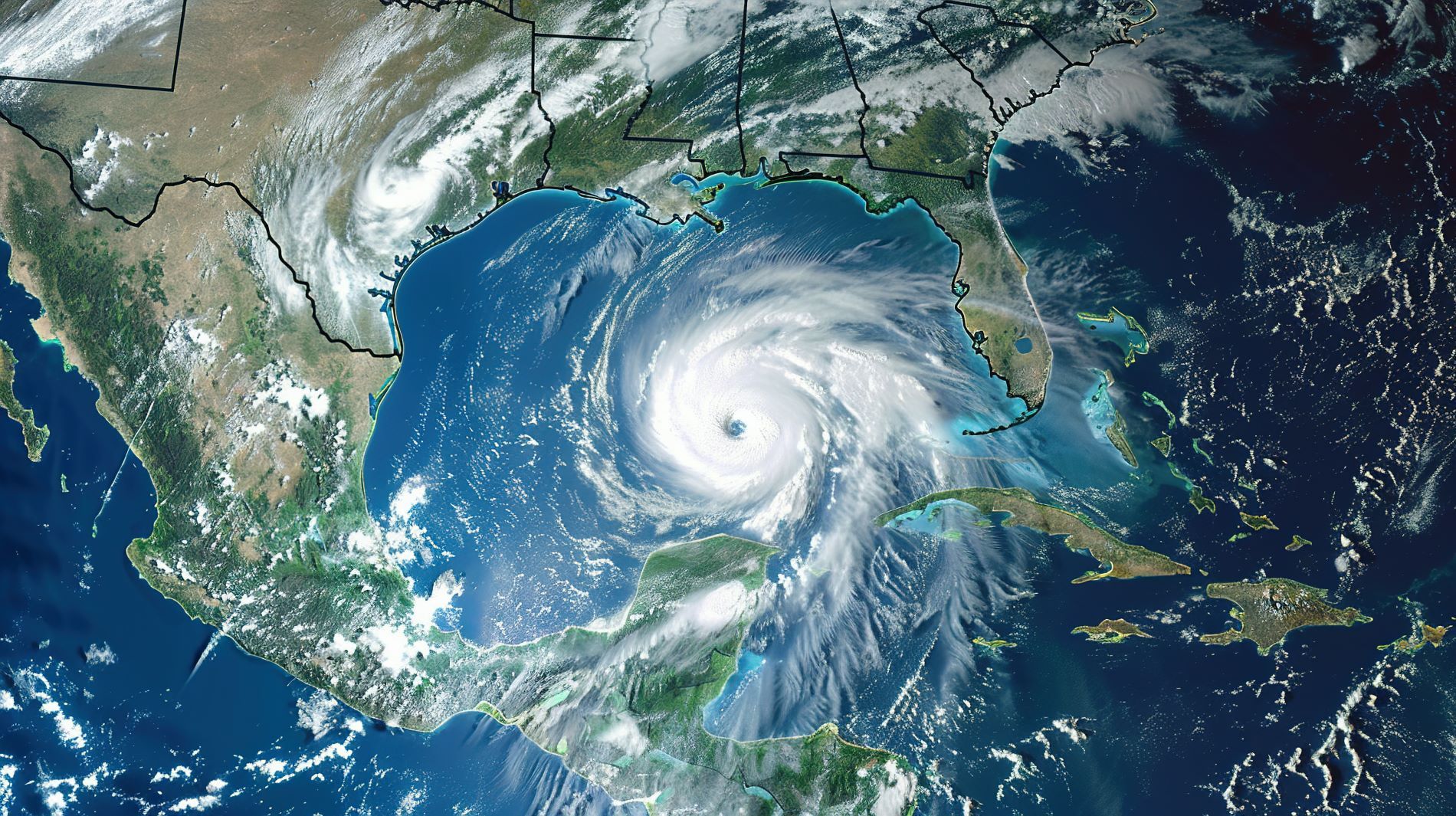
- Wildfire and Hurricane Exposure: Homes located in areas prone to natural disasters like wildfires or hurricanes are at the top of the list. As climate risk intensifies, insurers are becoming more cautious about covering properties in these vulnerable zones.
- Past Claims History: Even small, frequent claims can signal a higher risk to an insurer. A history of multiple claims may suggest underlying problems with the property or that future claims are more likely.
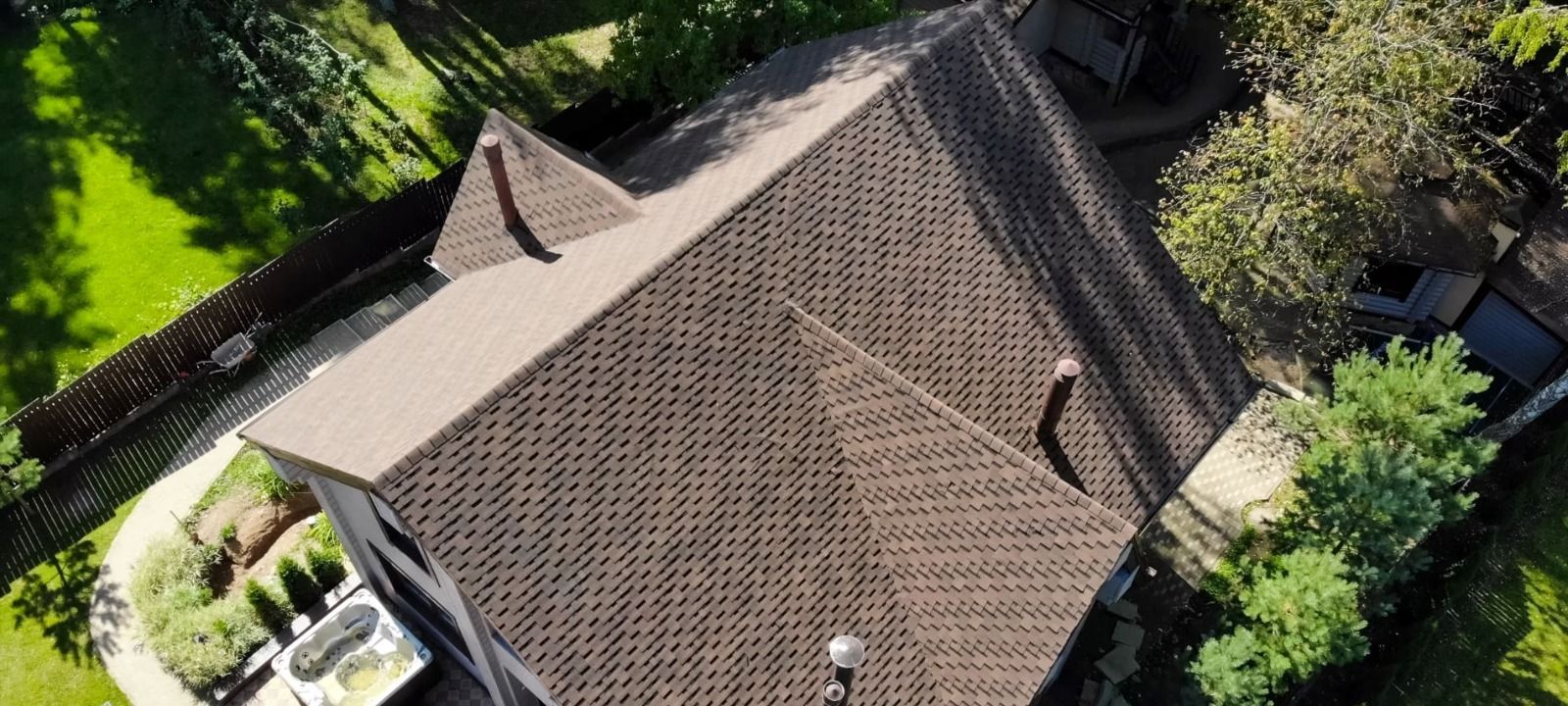
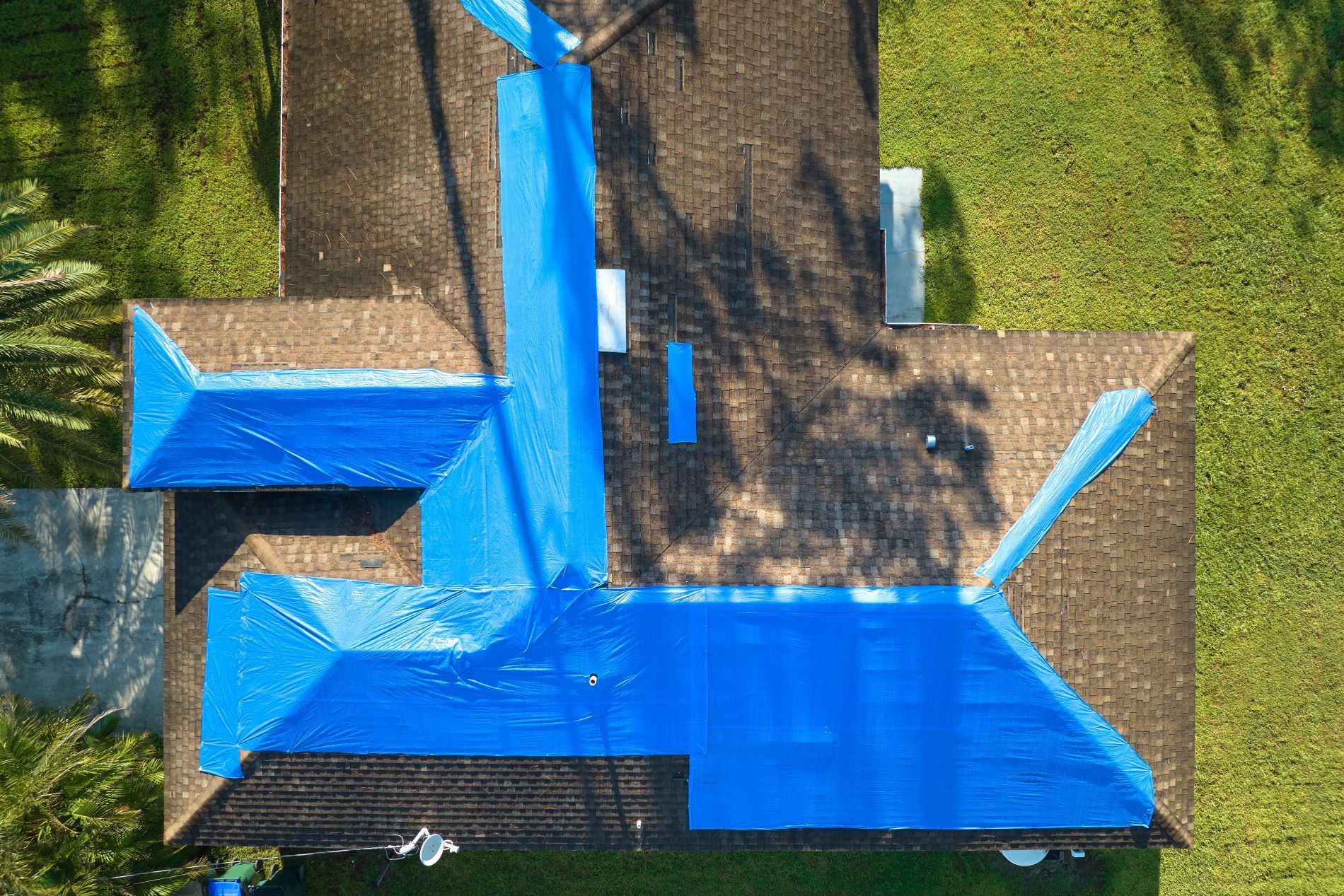
- Aging Roof: The roof is one of the most critical parts of a home’s defense against the elements. An old or poorly maintained roof is a major red flag for insurers, as it increases the risk of water damage, leaks, and structural failure during a storm.
- Lack of Updates: Outdated electrical wiring, old plumbing, and inefficient heating systems are significant concerns. These systems are more prone to failure, which can lead to fires or water damage.
- Liability Hazards: Things on your property that could cause injury to others, such as an unfenced swimming pool, a large trampoline, or even an aggressive dog breed, create liability risks.
- High Crime Rates: If your home is in an area with a high incidence of theft, vandalism, or other crimes, insurers may view it as a higher risk for property-related claims.
- Structural Vulnerabilities: Foundations with cracks, unresolved pest issues like termites, or other signs of structural weakness can make a home uninsurable for many standard carriers.
The Influence of a Hard Insurance Market
Beyond the specifics of your property, the broader insurance market conditions also play a huge role in renewal decisions. We are currently in what is known as a "hard market." This means that insurers are facing higher costs and are therefore becoming more selective about the risks they are willing to take on.
One of the biggest drivers of this trend is the rising cost of reinsurance. Reinsurance is essentially insurance for insurance companies; it helps them cover massive losses from large-scale disasters. As catastrophes become more frequent and severe due to changing climate patterns, the cost of reinsurance has soared. To offset these expenses, primary insurers must increase premiums and tighten their underwriting standards, which often leads to non-renewals for properties they consider to be high-risk.
In response to these financial pressures, some carriers have decided to exit entire states or stop offering renewals in regions with significant wildfire or hurricane exposure. This reduction in available coverage leaves many homeowners with fewer options and often at a higher cost.
What Are Your Options After a Non-Renewal?
If your standard insurance carrier denies your renewal, it does not mean your home is uninsurable. You have several alternative paths to explore to secure protection for your property.
Work with High-Risk Property Insurance Specialists
Some insurance agents and brokers specialize in finding coverage for high-risk homes. These professionals have established relationships with multiple insurance carriers, including those that are willing to take on risks that standard companies will not. They can help you find the best high-risk home insurance companies for your specific situation.
Explore Surplus Lines Carriers
When standard insurers say no, surplus lines carriers often say yes. These are specialized insurers that cover unique or high-risk properties that do not fit the underwriting criteria of traditional carriers. Coverage from these companies can sometimes be more expensive and may have different terms, but they are a crucial option for many homeowners. Working with high-risk property insurance specialists is typically the best way to access these markets.
Consider State FAIR Plans
As a last resort, most states offer a Fair Access to Insurance Requirements (FAIR) Plan. These state-mandated pools provide basic fire insurance when homeowners cannot find coverage in the private market. While FAIR Plans offer a safety net, they typically provide less comprehensive coverage than a standard policy and can be more expensive. It is often wise to look for alternatives to FAIR plan insurance before committing.
Make Property Upgrades
In some cases, making improvements to your home can make it more attractive to insurers. This could include replacing an old roof, upgrading your electrical system, or installing a centrally monitored fire and burglar alarm. If you live in a wildfire-prone area, creating a defensible space around your property can also significantly improve your chances of getting insured.
Navigating Your Renewal Challenges
Facing a homeowners insurance non-renewal can be daunting, but you do not have to go through it alone. Resources are available to guide you toward a solution.
If you are struggling with a difficult renewal or have been told your property is high-risk, we can help. We are a guidance resource that empowers homeowners to understand their renewal challenges. We do not sell insurance directly. Instead, we connect homeowners with licensed agents who specialize in high-risk homeowners insurance and non-renewal situations. These specialists serve most states in the US, excluding California, Rhode Island, Hawaii, and New York.