Homeowners Insurance with a Roof Exclusion: Real Solutions for Older Roofs and Non-Renewals
Real Solutions for Older Roofs, Non-Renewals, and Hard-to-Place Properties
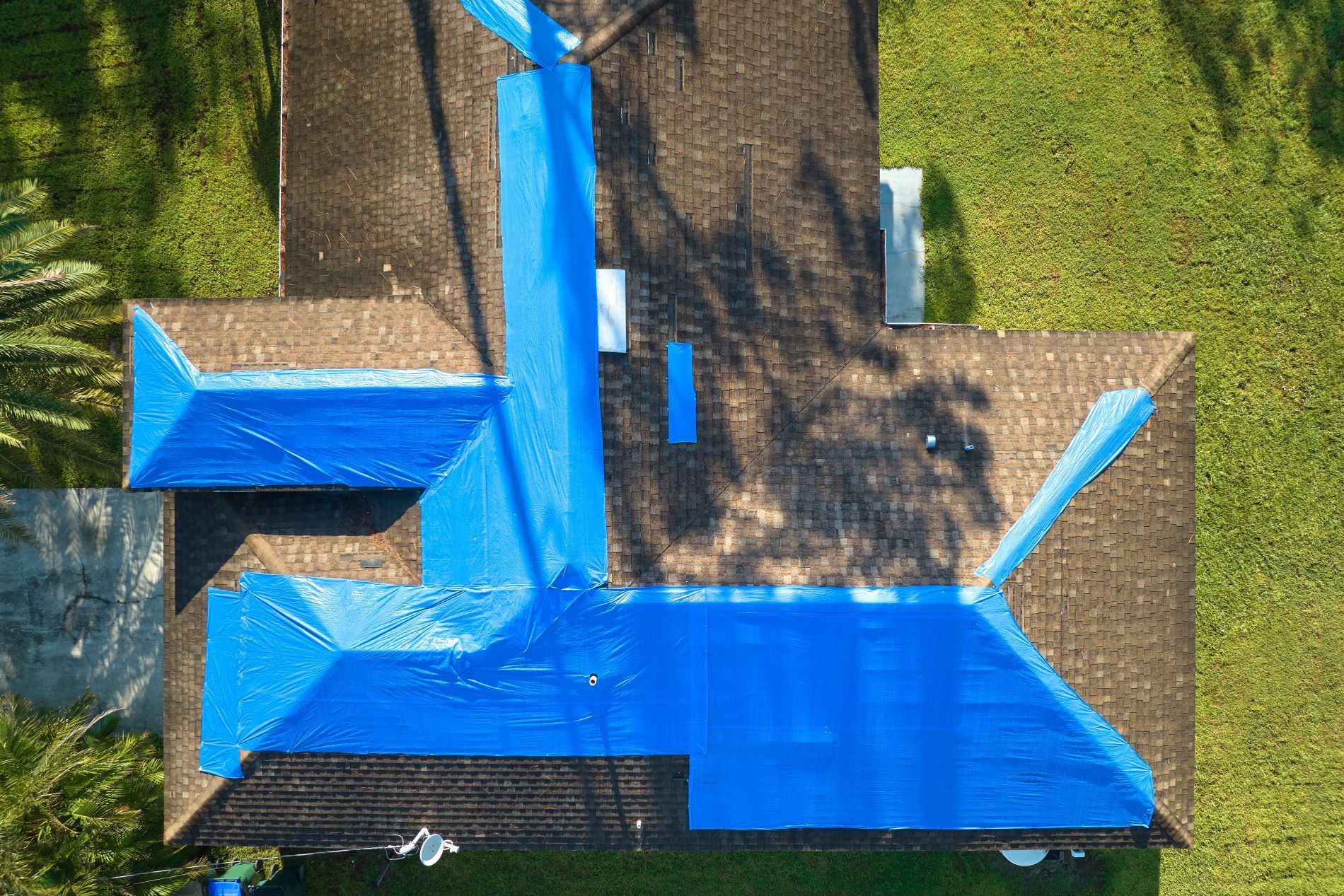
If your homeowners insurance company just sent a non-renewal notice because of your roof, denied coverage over roof age, or told you they won’t insure the house until you replace it, you’re not alone. Thousands of responsible homeowners across the country are dealing with the same situation.
Their roof still keeps the rain out, the house looks decent, and they’ve paid premiums for years with few or no claims. Then one day the carrier decides the roof is “too old,” shows too much wear on an inspection, or simply falls outside their updated guidelines.
That moment can feel unfair, stressful, and urgent—especially when your mortgage requires continuous coverage. The good news? In many cases, a homeowners insurance policy with a roof exclusion (sometimes called roof exclusion insurance) can serve as a practical bridge.
It’s not perfect or permanent, and it’s not available for every home. But for homeowners facing denials or nonrenewals over roof age or condition, it often provides the breathing room needed while you plan a longer-term fix.
This guide pulls together clear, practical insights on the topic. We’ll cover exactly what a roof exclusion is, why carriers have become so strict about roofs, when this coverage can help (and when it can’t), and how it compares to FAIR Plans or replacing the roof right now.
You’ll find real-world examples, comparison tables, step-by-step advice, and straightforward answers to the most common questions. Our goal is simple: give you honest information so you can protect your home and family while handling the roof on a realistic timeline.
1. What Is a Roof Exclusion?
A roof exclusion is a specific provision or endorsement added to a standard homeowners policy (most often an HO3) that limits or removes coverage for damage to the roof surface itself—usually shingles, tiles, or metal—while keeping the rest of the home protected.
In plain language, the insurance company is saying: “We’ll cover your house, your belongings, and your liability, but we’re not taking on the high risk of this particular roof.” The exclusion can appear in a few forms:
- A full carve-out of direct damage to the roof covering
- Changing roof coverage from replacement cost to actual cash value (ACV)
- Limiting coverage to specific perils, most commonly wind or hail
- An increased wind and hail deductible
The rest of the policy—dwelling structure beneath the roof, personal property, additional living expenses, and liability—typically remains fully intact. It’s a targeted trade-off for properties where everything else checks out except the roof.
2. Why Homeowners Get Declined Because of Their Roof
Roofs are expensive and fully exposed to the elements. When they fail, water damage can quickly spread into attics, ceilings, walls, and beyond, turning a roof issue into a major loss. That’s why carriers scrutinize them carefully. Common triggers for denial or non-renewal include:
- Strict roof age limits (often 15–20 years for asphalt shingles)
- Visible wear spotted during inspections or via aerial imagery (curling, granule loss, patching, poor ventilation)
- Prior roof claims
- Unrepaired storm damage or active leaks
- Deferred maintenance, moss, debris, or drainage problems
As if insurance wasn’t complicated enough, not every carrier applies the same rules. And the same carrier may apply different rules in different states. Some use hard age cutoffs; others evaluate actual condition, maintenance history, and overall property risk. That difference is why insurance for older roofs is still possible—just not always with your current carrier.
3. Can You Get Insurance With an Old Roof?
Yes, in many situations you can—especially through specialty and surplus-lines markets that underwrite case-by-case rather than by rigid checklists.
These carriers look at the full picture: roof material, documented maintenance, recent repairs, remaining useful life, and the condition of the rest of the home. It’s worth noting that many 20-year-old roofs are in far better condition than some 10-year-old ones, depending on the original quality, maintenance, climate, and how the roof was installed.
A well-maintained older roof that passes inspection may be declined by one company but accepted by another when paired with a roof exclusion.
That said, this isn’t a workaround for serious problems. Active leaks, severe deterioration, rotten decking, or major issues elsewhere on the property can still make a home ineligible.
4. How Roof Exclusions Work
When a specialty carrier issues a policy with a roof exclusion, they’re removing their largest potential exposure on an aging or previously claimed roof. The rest of the HO-3 (or similar) policy stays standard.
The process generally goes like this:
- You disclose the roof’s age, material, and any known issues.
- You send pictures of the roof and property to your broker.
- Your broker submits everything to the underwriters to evaluate the full property.
- If the non-roof risks are acceptable, they issue the policy with the exclusion attached.
- If the roof condition isn’t fully acceptable, coverage can often still be granted if there’s a clear plan in place for repair or replacement. In tougher situations, you may see a higher water damage deductible or other underwriting requirements such as a builder's risk endorsement.
You’ll typically agree to maintain the roof and may face periodic re-inspections. These policies are often written on a surplus-lines basis, giving carriers more flexibility. Premiums run higher than standard policies, but the exclusion frequently makes coverage possible when traditional carriers have already said no.
5. What Roof Exclusions Typically Do and Do Not Cover
| Often Still Covered | Often Limited or Excluded |
|---|---|
| Dwelling structure beneath the roof Personal belongings and contents Personal liability and medical payments Additional living expenses after a covered loss Interior water damage from non-roof sources Fire, theft, vandalism | Direct damage to the roof covering Wind or hail damage to the roof surface Replacement-cost payout on an aging roof Wear, deterioration, or pre-existing roof damage Unrepaired roof damage |
Always review the exact endorsement language with your agent and ask specific questions about how interior water damage would be handled.
6. Situations Where a Roof Exclusion May Be an Option
This approach often works well when:
- The roof is older but serviceable with no active leaks
- You’ve received a non-renewal due to the roof but the rest of the property is solid
- Repairs from a prior claim were completed properly
- You plan to replace the roof in the next 1–3 years but need coverage now
- Budget makes immediate replacement difficult
- You’re seeking a better alternative to a FAIR Plan
7. Situations Where It May Not Be an Option
Carriers will usually decline if they see:
- Active leaks or visible water intrusion without a plan
- Severe deterioration, sagging, or structural issues
- Unrepaired storm damage
- Multiple recent roof claims
- Significant deferred maintenance on other systems
Underwriting varies, so one carrier may decline while another accepts after minor fixes. Serious problems almost always need to be addressed first.
8. Roof Exclusions vs. FAIR Plans
| Aspect | Roof Exclusion (Specialty/Surplus) | FAIR Plan |
|---|---|---|
| Coverage Scope | Full HO-3 style with roof carve-out; broad perils, liability, contents | Basic dwelling-fire coverage; often limited |
For many homeowners, a private specialty policy with a roof exclusion delivers broader protection than a FAIR Plan while directly addressing the roof concern.
9. Roof Exclusions vs. Replacing the Roof Immediately
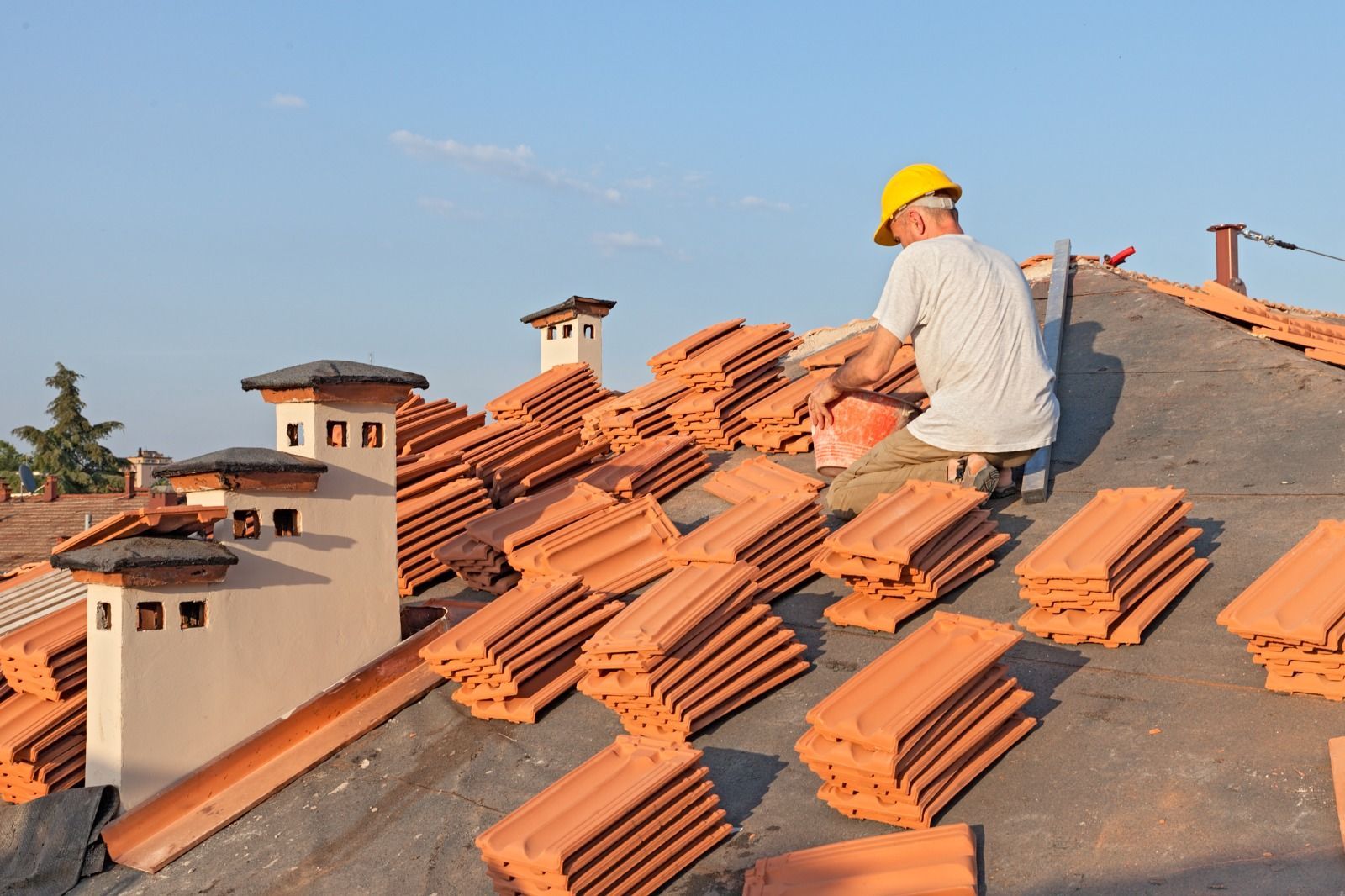
Replacing the roof is usually the cleanest long-term solution. It removes the underwriting hurdle, can unlock standard rates, and restores full replacement-cost coverage. But a new roof can cost $8,000–$25,000+ depending on size, materials, and location.
When immediate replacement isn’t realistic, a roof-exclusion policy buys valuable time. You stay compliant with your lender, protect the rest of the home, and avoid a coverage lapse. Many homeowners secure the exclusion now, budget for replacement over the next 12–36 months, then re-shop the standard market once the new roof is installed.
10. Real-World Examples (Some are truly chicken or the egg)
- A widow pays her house off with the life insurance money her husband left, but things are still tight and she does not have homeowners insurance. The roof is getting worn out, and since she has a home that is free and clear, she decides to get a home equity line of credit to pay for the new roof. However, all attempts to obtain coverage have gone nowhere because the insurance company advises that the new roof is required before they will write the policy.
- A couple with a 22-year-old roof received a non-renewal from their longtime carrier due to age guidelines. The roof had no leaks and passed inspection when they bought it just three years earlier. A specialty carrier placed a policy with a roof exclusion within days, preserving full dwelling and liability coverage while they saved for replacement.
- A homeowner had a hail claim and a repaired but still older roof. Standard carriers declined. A high-risk carrier accepted the risk with a roof exclusion and a higher wind/hail deductible.
- A property in a high wildfire-prone area lost standard coverage. The state FAIR Plan offered minimal protection at high cost. A surplus-lines carrier provided a broader policy that included a roof exclusion.
- A homeowner was pleased that she would be getting a new roof covered by her homeowners insurance, but the weather had been so cold that the roofers could not put the roof on until it warmed up. In the meantime, her home policy was non-renewed, so she needed a policy to bridge her until the roof could be completed. This is often obtainable through many specialty carriers, even with an open claim.
These situations show that many homeowners successfully navigate the same challenges you may be facing.
11. How Specialty Insurance Markets Help
When standard carriers say no, specialty and surplus-lines markets often say “let’s take a closer look.” They underwrite based on the individual property rather than checklists and have more flexibility with tools like roof exclusions.
Independent agents who specialize in high-risk and difficult-to-place homes have access to multiple carriers and know which ones are currently open to roof-related risks. A carrier may have 100 items they need checked before they will issue a policy, and with some of them, 99 is not acceptable. Even after getting the roof issue resolved with underwriting, consumers will find that they lose the policy over something as simple as a dog.
That's why you need a specialist. They can shop your situation efficiently and find the best available option even when things go sideways because of a small variable.
12. Steps to Take After a Roof-Related Non-Renewal
- Act immediately—don’t let coverage lapse.
- Read the non-renewal notice carefully and seek clarification.
- Get a professional roof inspection and written report.
- Document everything: photos, receipts, maintenance records.
- Fix any minor issues (loose shingles, gutters, flashing).
- Contact an independent agent experienced in hard-to-place homeowners insurance.
- Be transparent about roof age, condition, and your plans.
- Compare quotes on coverage and terms, not just price.
- Consider mitigation upgrades that could improve options.
- Start budgeting and planning for eventual roof replacement.
Many homeowners in your position also struggle with timing the roof replacement itself. The insurance company may not be paying for a full replacement, or you’re waiting on materials, waiting for warmer weather to make the work safe and practical, or dealing with contractor availability. If you’ve been non-renewed and still have existing roof damage or an open claim, finding new coverage becomes significantly more difficult. In these cases, working with a true specialist who understands how to present these files to underwriters is often the only reliable way to secure a new policy without a dangerous lapse.
You Have Options
Dealing with roof-related insurance problems can feel overwhelming, but it rarely means your home is uninsurable. A policy with a roof exclusion isn’t permanent, but it can be a smart, responsible way to maintain continuous protection while you address the roof on your own timeline.
Even after you’ve been declined, non-renewed, or stuck with limited options because of roof age or condition, reach out to an experienced specialist in high-risk homeowners insurance and difficult-to-place properties. These professionals understand current markets and can guide you to the best solution for your situation.
Don’t wait until your current coverage expires. The right coverage is often available—you just need the right expertise to find it.